
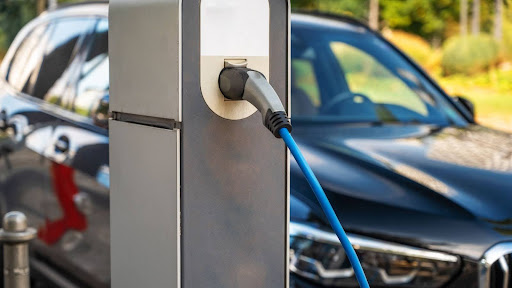
For years, the American electric vehicle revolution has been described as inevitable but frustratingly slow. Policy incentives came and went. Automakers announced ambitious EV targets and then quietly walked them back. Consumer interest spiked and subsided with each gas price fluctuation. But the Iran conflict — three weeks old and still generating $3.90-per-gallon gasoline — may be delivering the biggest single push US interest in electric vehicles has yet received, in the form of a financial motivation too powerful and too personal to rationalize away.
The conflict’s energy consequences trace to Iran’s closure of the Strait of Hormuz following US and Israeli military strikes. That waterway carries roughly one-fifth of global oil supply, and its disruption elevated crude prices worldwide and pushed American retail fuel costs to their highest level in nearly three years. The resulting financial pressure on American households has been both immediate and sustained — exactly the combination that analysts have long said would be needed to produce a meaningful shift in consumer behavior.
CarEdge documented a 20 percent increase in EV searches within the first three weeks of the conflict, with the spike appearing within 48 hours of the first military strikes. Analyst Justin Fischer described the signal as genuine and direct. Edmunds’ Jessica Caldwell confirmed parallel trends and explained the mechanism: gasoline pricing motivates consumers in a way that policy arguments rarely achieve, because it is experienced directly, repeatedly, and at the exact moment of personal financial transaction.
The used EV market at sub-$25,000 prices provides the practical channel for converting motivation into action. Pre-owned Teslas, Chevy Equinox EVs, and Nissan Leafs at accessible pricing represent a genuine opportunity for cost-conscious buyers newly motivated by current fuel economics. Caldwell predicted strong near-term sales in this segment, saying the combination of improved vehicle quality, accessible pricing, and strong financial motivation is better than it has ever been.
The revolution has been reluctant for reasons that have not disappeared — policy instability, automaker retreats, infrastructure gaps, and range anxiety remain real barriers. But the push being delivered by $3.90 gasoline and the Iran conflict is the biggest US interest in electric vehicles has yet experienced. Whether this particular push carries the momentum farther than previous ones depends on how long the conditions generating it persist and whether the ecosystem is finally ready to respond at the scale the moment demands.